
Whoa! I was messing with five different wallets last year. I mean, juggling Chrome, Brave, and a handful of extensions felt like keeping plates spinning at a county fair. My instinct said there has to be a smoother way — safer, too. So I started hunting for a multi-chain extension that didn’t feel like a patchwork of compromises, and that search changed how I interact with DeFi every day.
Really? At first I was skeptical. Most extensions promise convenience but trade off control or security. Initially I thought browser wallets were inherently risky, but then realized that good UX plus strong security can actually reduce user error and therefore risk. Actually, wait—let me rephrase that: a well-designed wallet nudges you toward safer habits, which matters more than I expected.
Wow! Security bugs me. Here’s the thing. I saw people copy private keys into random notepads, and that haunted me. My gut told me to look for clear transaction prompts, obvious chain indicators, and per-site permissions that don’t hide under three submenus. Those are tiny UX decisions, but they prevent huge mistakes.
Hmm… the multi-chain angle is huge. On one hand, having many chains in a single extension is convenient. On the other hand, I worried it meant a bigger attack surface. Though actually, a single, audited extension that supports multiple chains can be safer than multiple independent extensions with inconsistent security practices. It comes down to execution and transparency — and whether the wallet forces you to think before you act.
How a Browser Extension Wallet Earned My Trust
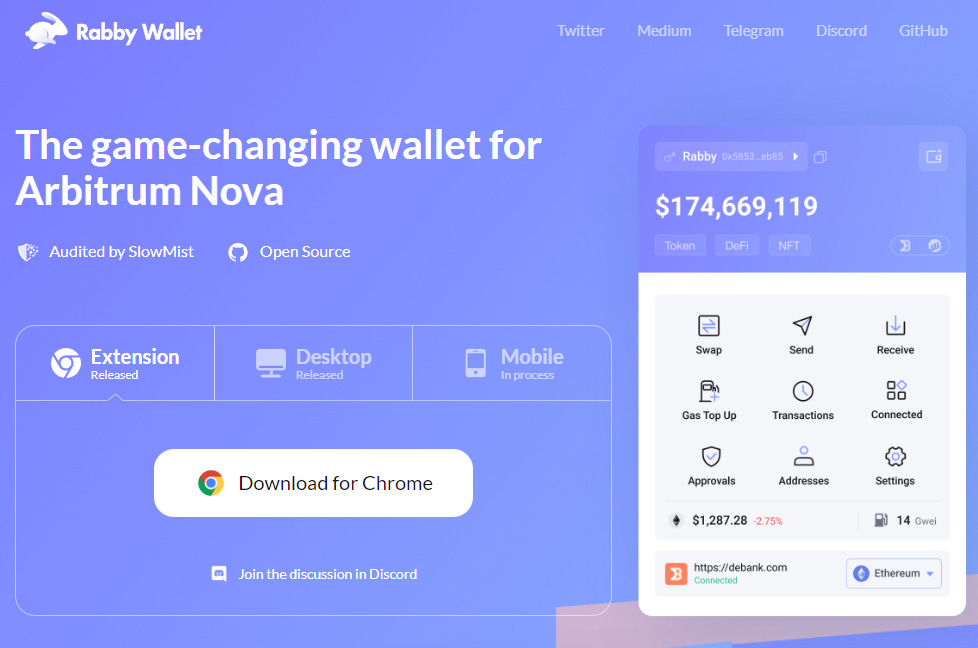
Here’s the thing. I watched the dev team, read the docs, and tested flows. I paid attention to upgrade notes and how the wallet handled approvals and errors. My rule: if a flow required me to jump through weird hoops, I ditched it fast. I tried a version of Rabby that felt right — fast, clear, and unapologetically focused on preventing user mistakes.
Seriously? It had per-contract permissions that saved me from signing nonsense. The UI flagged cross-chain swaps and showed a clear approval history. It also let me use multiple accounts and hardware keys in a way that didn’t feel clunky or tacked-on. That mix of clarity and optional hardcore features told me the team cared about both novices and power users.
Okay, so check this out—if you want to give it a spin, here’s a straightforward place to start with a verified installer: rabby wallet download. I’m biased, but having a single trusted source mattered. I double-checked checksums and community feedback before I installed anything, and you should too.
My process was simple. I set up a throwaway account and tried connecting to a DEX, an NFT marketplace, and a lending protocol. The wallet asked only for the permissions necessary to complete each action, and it made me confirm the specific token amounts and recipients. That reduced my impulse to mindlessly click through approvals, which, yes, I’m guilty of sometimes—very very guilty.
On one hand, extensions feel like a convenience that could erode security. On the other hand, the right extension creates guardrails. Initially I thought offering many chains meant confusing trade-offs, but then realized that brilliant abstraction can let users act confidently across networks without memorizing chain IDs. That’s the subtle power of a well-crafted multi-chain wallet.
Daily Habits That Improve Security
Whoa! Small routines matter. Lock your wallet when not in use. Use a hardware wallet for large holdings. Keep a small hot-wallet balance for active trades, and stash the rest offline. My instinct said to treat the extension like the car keys, not the entire garage.
Here’s what worked for me. I labeled accounts by purpose, used distinct accounts for staking versus trading, and checked transaction previews every time. The wallet’s transaction simulator (if available) helped me spot inflated gas or unexpected token transfers before I hit confirm. That saved me from at least two sketchy contract interactions that would have cost real money.
Actually, wait—let me rephrase this: don’t assume one tool fixes everything. A wallet is part of a broader hygiene practice, which includes browser isolation, adblockers, phishing awareness, and regular seed phrase backups. On the flip side, ignoring the wallet’s UX cues is the fastest way to get in trouble.
Something felt off about blind approvals. So I changed my habit: approve only what I need, and use the wallet’s revoke function when unsure. It’s tedious sometimes. But it’s the difference between a near-miss and an irretrievable loss, and that trade-off is worth it.
I’m not 100% sure about every threat vector. New exploits pop up, and the landscape shifts quickly. Still, combining layered defenses with a wallet that surfaces risks clearly reduces exposure quite a bit.
Power Features I Actually Use
Really? Multi-chain swaps within the extension are a time-saver. The wallet aggregates routes and shows the best path, often with gas estimates and slippage warnings. That transparency made me adjust my trading habits — smaller, more deliberate swaps rather than frantic high-gas attempts.
One feature I love is hardware wallet integration. Using a Ledger or similar device means I confirm on a separate physical device, and that isolation is huge. The wallet’s UX makes it straightforward to pair and then sign transactions without forcing full-born redesigns of my workflow.
Also, session approvals for dApps are a subtle but game-changing convenience. Grant a site access for a single session and the wallet revokes it automatically when the session ends. It feels like a smart compromise between usability and hygiene, and it reduces lingering approvals that otherwise pile up into a mess.
I noticed something else. The extension logs and visualizes past approvals, and that history led me to revoke a handful of ghost approvals from testnets and old dApps. If you don’t audit your approvals, you’re basically leaving keys lying around in coat pockets you don’t own anymore.
I’m biased toward tools that make secure behavior the easy path. A wallet that defaults to caution, but allows power users to opt in for advanced features, aligns with how most people actually behave online.
FAQ
Is a browser extension wallet safe enough for serious holdings?
Short answer: not by itself. Use it for active funds and pair it with a hardware wallet or cold storage for large holdings. The extension is great for day-to-day DeFi interactions, but I store the bulk elsewhere. Also, keep the extension updated and install only from trusted sources.
Will supporting many chains make the wallet less secure?
In theory, adding chains increases complexity, though in practice a single well-audited extension that supports multiple chains can be safer than juggling several insecure wallets. The key is transparency — clear permission prompts, network indicators, and visible transaction details.
What should I look for before installing any extension?
Check the official download link, community discussions, and audit reports if available. Backup your seed phrase securely and test with small amounts first. I’m telling you this because I’ve seen people rush installs and regret it later.