
Okay, so check this out—I’ve used a handful of browser-based wallets over the years, and Rabby stuck. Wow. At first glance it looks like just another extension. But after a few days of moving assets, toggling networks, and wrestling with approvals, something felt off about the other wallets I had trusted. My instinct said “try something different.”
Rabby is an Ethereum-first browser extension wallet that focuses on granular permission controls, multi-account ergonomics, and a clearer UX around approvals. Really? Yes. It simplifies common DeFi annoyances without pretending to be everything to everyone. On one hand it’s lightweight; on the other hand it packs features that matter to active DeFi users.
Here’s the thing. If you care about controlling which contracts can spend your tokens, Rabby gives you meaningful visibility and tools for that. Initially I thought permissions were a backend detail, but then I watched an approval creep drain a small token holding on a different wallet—and never again. So I started digging into Rabby, testing its approval manager, and pairing it with a hardware key. My workflow changed.
Short aside: I’m biased, but security should not be an afterthought. I’m not 100% sure every feature will fit your specific setup, though—so do your homework.
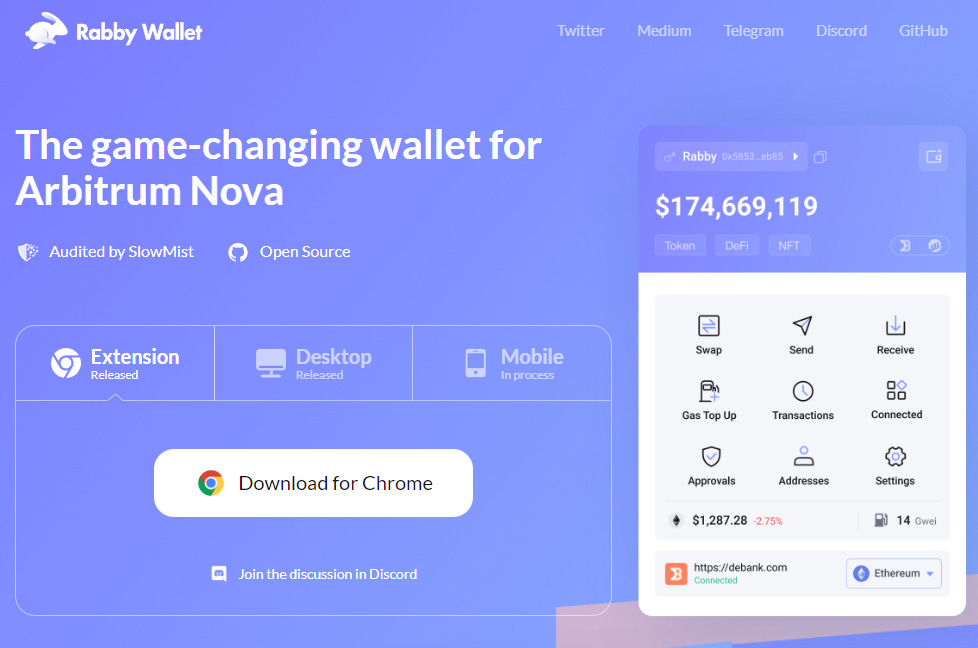
What Rabby does differently (and why that matters)
Permission control is the headline feature. Most wallets let you blindly approve “infinite” allowances. Rabby puts that in your face and makes it reasonably easy to revoke or limit. That alone reduces attack surface. Hmm…small change, big payoff.
They also emphasize multi-account workflows. If you juggle personal funds, a farm account, and a contract deployer, Rabby keeps those contexts distinct without extra fuss. The account switching is quick—no need to export keys or create ephemeral profiles. That was a relief for me when I had to isolate a risky transaction.
Another practical win: the UI surfaces gas and transaction details in an actionable way. You see the approving contract, the token allowance, and you can nudge gas if needed. On complex chains or L2s, that transparency saves time—and money. Honestly, that part bugs me about so many wallets; they hide the nuance until it’s too late.
Oh, and by the way… Rabby has built-in hardware wallet support. Pairing a Ledger or other device gives you offline signing benefits while keeping the convenience of a browser extension. If you combine that with strict approvals, you get a decent middle ground for safety and usability.
How to download and set up Rabby safely
Want to try it? Good. But pause—security first. Always verify the source before installing any wallet extension. I recommend checking official channels, GitHub releases, and community feedback. If you want a direct starting point for download, see this link: https://sites.google.com/cryptowalletextensionus.com/rabby-wallet-download/. Seriously—double-check the page and make sure the extension store listing matches the project details.
Step-by-step, roughly:
- Create a new wallet or import an existing seed—know the implications. If you import, be mindful of where that seed was generated and whether it was exposed anywhere.
- Set a strong extension password and enable any available biometric or OS-level protections on your device.
- Pair a hardware device if you have one. This is my preferred setup for holding significant funds.
- Before sending anything large, send a tiny test transaction and verify the on-chain result.
One caveat: browser environments are inherently less secure than dedicated hardware or isolated OS profiles. So use a dedicated browser profile for on-chain activity if possible. It’s an extra step that pays off.
Common pitfalls and how I avoid them
People often grant unlimited approvals because it’s convenient. That’s a speed trap. I limit allowances when possible and periodically audit approvals—Rabby’s interface makes this approachable. Also: don’t mix account types carelessly. Keep trading and staking funds separated from funds you use to interact with unfamiliar dApps.
Watch for phishing. A malicious site can mimic a UI and trick you into approving things. My trick: whenever a dApp asks for an approval, I pause and read the contract name and spender address. If something looks odd, I copy the address and check it on a block explorer. Yes, it’s tedious. But it’s effective.
Another mess is using many extensions at once. The more extensions installed, the larger the attack surface. Keep your extension list lean—only active wallets and essential tools. Somethin’ as simple as that reduces risk.
FAQ
Is Rabby open source?
Mostly yes—Rabby publishes components and you can inspect their codebase. That transparency is helpful but not a substitute for your own caution. Actually, wait—open source doesn’t mean automatically secure. It means there’s a chance for community review.
Can I use Rabby with non-Ethereum chains?
Rabby focuses on Ethereum and EVM-compatible chains (including many L2s). If you live in a multi-chain DeFi world, Rabby supports a number of networks, though the depth of support varies. On one hand it’s convenient; on the other, always test network-specific flows.
What happens if I lose my seed phrase?
Then recovery is nearly impossible. Your seed phrase is the ultimate key. Back it up offline (multiple copies), consider steel backups for long-term storage, and never share it with anyone. I’m not 100% sure people follow this—so I repeat it: back it up.
Wrapping up—well, not a formal wrap—but here’s my take: Rabby is a pragmatic choice if you want more control over approvals and a cleaner multi-account experience in a browser extension. It’s not a silver bullet. Use hardware keys where possible, keep approvals tight, and stay vigilant. If you decide to try Rabby, start small, test thoroughly, and keep learning—that’s how you stay ahead in DeFi.