
Okay, so quick confession: I used to be cagey about browser wallets. Really. They felt like leaving keys under a fake rock. But then I spent a week deep in the Solana ecosystem, testing NFT drops, staking small amounts, and trying different dApps, and something changed. My instinct said “this is not the same old wallet experience” and I kept circling back to one extension that just made the flow feel…cleaner. Seriously?
Here’s the thing. Phantom isn’t magic. It’s a focused, browser-first wallet built for Solana that smooths a lot of rough edges without hiding the hard parts (security, seed phrases, permissions). My first impression was: fast, minimal, and friendly. On the other hand, I also found a few UX quirks that bug me. I’ll walk through setup, day‑to‑day use, security habits I actually follow, and where the extension still needs work. Oh, and I’ll point you to an official download so you can try it yourself without hunting through sketchy links: phantom.
First 10 minutes: setup and first run
Walkthrough time. Short version: install, create or restore wallet, copy seed somewhere safe, done. But the nuance matters. When you click install, the extension asks politely for a password to lock the UI locally. Good. It then shows you the recovery phrase and really, really pushes you to write it down offline. I liked that—it’s not one of those gloss-over moments. Hmm… I was tempted to screenshot it (don’t), but the UI blocks some common mistakes, which is reassuring.
Two things to plan for: seed safety and a small SOL balance for fees. You will need lamports (Solana’s smaller unit) for transactions. Even tiny actions like approving a token or sending a message use a little SOL. I keep ~0.01–0.05 SOL in the extension for daily use, and anything above that lives in a hardware wallet or a different cold-storage account. My instinct said to set up a separate account for high-value holdings—so that’s what I do.
Day‑to‑day: using Phantom with dApps
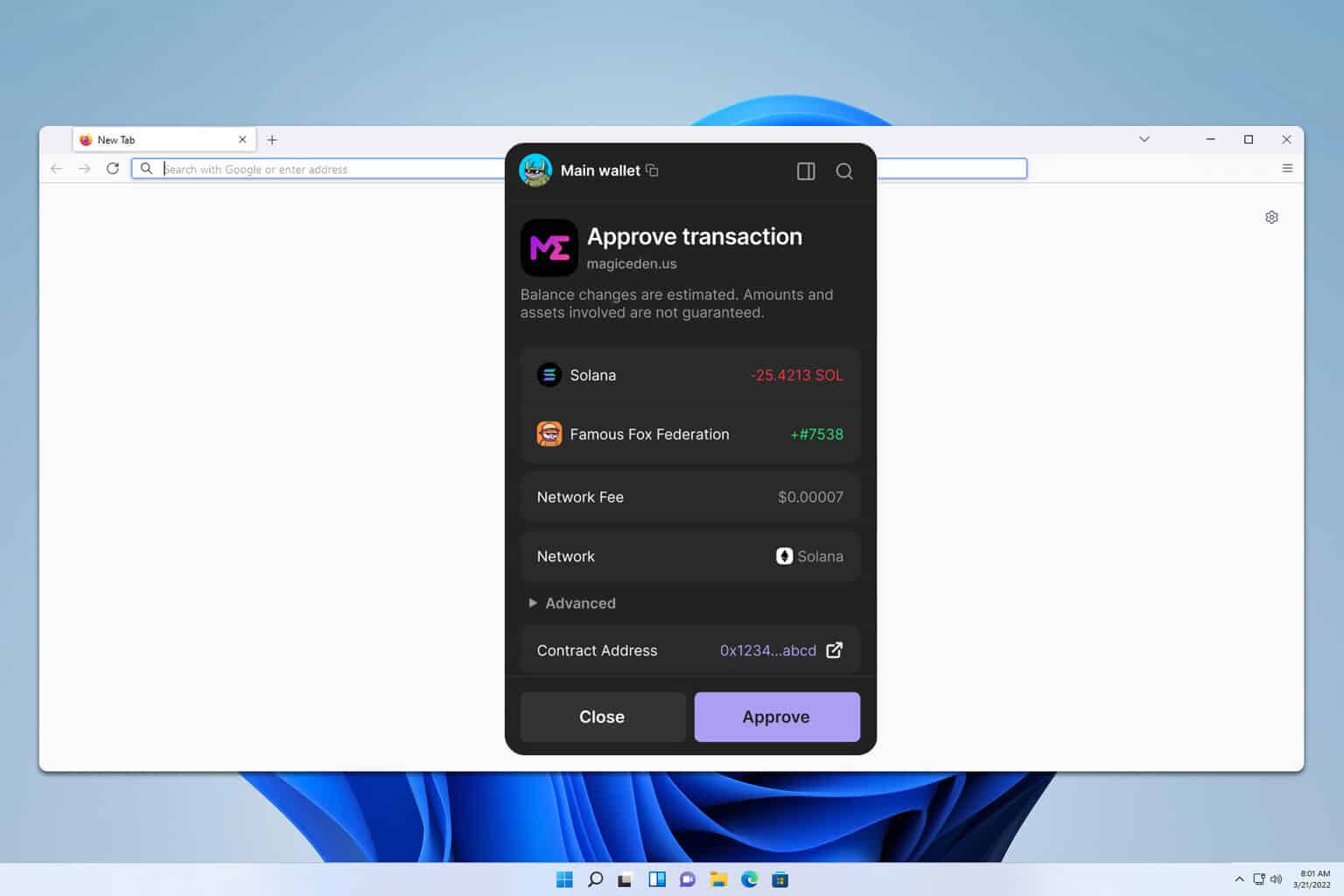
Connecting to a dApp is usually a one-click affair. The site requests permission, Phantom pops a confirmation modal, you read the requested access and approve or reject. On one hand it’s smooth—on the other, it’s where users can get sloppy. I’ve seen people blindly approve everything. Don’t be that person.
One feature I appreciate: transaction previews tend to show clear data—amounts, tokens, and the target address. But sometimes complex dApps bundle multiple instructions into a single transaction, and that view can be terse. When that happens, I open the dev tools or check the dApp’s docs to confirm what the bundled steps are doing. Yes, that’s a little nerdy. But if you’re moving funds or minting an expensive NFT, it’s worth the extra two minutes.
Also, the extension’s built-in NFT viewer is nice. It loads images and metadata inline, and that makes managing collectibles less clunky than juggling separate metadata explorers. Small thing, but it makes the wallet feel polished.
Security: what I actually do (and why)
I’m biased toward caution. I use a small everyday account in Phantom for minting and interacting, and a cold wallet or separate account holds the rest. Initially I thought a single wallet would be okay, but then I realized: one mistake could be very expensive. So I split responsibilities.
Seed phrases are offline. Paper notes in two separate locations. Shh. Seriously though—no screenshots, no note apps. If you want hardware-level protection, Phantom can integrate with Ledger. Ledger + Phantom is my go-to for larger balances because it forces a physical confirmation on the device. Actually, wait—let me rephrase that: if you care about funds, use a hardware wallet; Phantom’s UX plus Ledger strikes a very practical balance between convenience and security.
Permission hygiene: I periodically audit sites I’ve connected to and revoke access. Sounds tedious, but Phantom’s settings let you clear approvals. Do it monthly, or after a big event like an airdrop or hack frenzy. My gut feeling said this would be overkill, but after seeing a compromised dApp ask for unlimited token approvals, I changed my tune.
Common pitfalls and simple fixes
Gasless? Not quite. Solana’s fees are cheap, but they’re not zero. Expect to top up SOL occasionally. When transactions fail, it’s often because of insufficient SOL, network congestion, or malformed instruction data. If you hit a stuck transaction, check the network status and the dApp’s support channels before re-sending—double spending the same nonce can be messy.
If a site asks to “sign” arbitrary data, pause. Signing doesn’t always mean sending funds. Sometimes dApps ask to sign data for identity or off-chain validation. But if signing yields a token that could grant permissions, think twice. When in doubt, ask the project’s team or community. I’m not 100% sure of every project’s practices, but when something smells phishy, it probably is.
Where Phantom shines — and where it doesn’t
Shines: speed, clean design, deep dApp compatibility, and a sensible NFT UI. The extension feels like it was built by people who use Solana every day. Support for token swaps inside the wallet is convenient for small trades. Swapping without redirecting to a different site reduces friction. Nice.
Doesn’t shine: advanced transaction inspection could be better. When complex transactions have multiple instructions, the UI sometimes glosses over them. I’d like a more explicit breakdown or a “show raw” toggle that explains each instruction in plain English. Also, session management and account labeling can be improved—I’ve had to rename accounts to keep track, and the workflow could be smoother.
One more thing that bugs me: the extension landscape is fragmented across browsers. Chrome and Brave are straightforward, but some users report quirks on Safari or lesser-known browsers. If you’re on a privacy-first setup with a niche browser, test carefully before committing funds.
Practical tips for getting comfortable fast
Start small. Put $5–$10 worth of SOL in your Phantom for a few days and test basic actions: connect to a reputable dApp, sign a message, try a swap. Once you feel the flow, increase activity slowly. Don’t chase FOMO drops without verifying the project’s legitimacy. That advice is boring but true.
Label accounts. Use clear names so you don’t accidentally send funds from your “main” to a mint. I name mine like “Daily — small” and “Cold — reserve.” Also, take screenshots of your transaction confirmations for personal records (not of seed phrases). They help when troubleshooting with dApp support.
FAQ
Is Phantom safe to use as my primary wallet?
Short answer: it depends. For day-to-day interactions and modest balances, Phantom is fine and widely used. For larger holdings, pair it with a hardware wallet like Ledger to sign high-value transactions. Keep your seed phrase offline, audit connected sites periodically, and don’t reuse passwords across services.
Can I recover my wallet if I lose access to the browser extension?
Yes. Use your recovery phrase in a compatible wallet or reinstall the extension and choose “restore wallet” during setup. That said, if someone else has your seed phrase, they can recover it too—so protect it like cash.
Final note: the Solana ecosystem moves fast. New features, token standards, and dApp UX patterns appear regularly. Phantom tends to keep pace with updates, and the extension’s team listens to community feedback. I’m not saying it’s perfect—no wallet is—but it’s a pragmatic balance between usability and safety. I still do somethin’ old-school: cold storage for my big stuff, and a nimble Phantom account for everything else. Works for me.
Alright, maybe I’m a little protective of my setup. Maybe you will be too, or maybe you’ll prefer a different flow. Either way, use the right tool for the job, keep your recovery phrase offline, and treat approvals like actual permissions—not just clicks. Oh, and by the way… if you’re ready to try the extension, grab it from the official link above and start with a tiny test transaction before you dive in.